Physical Address
304 North Cardinal St.
Dorchester Center, MA 02124
Physical Address
304 North Cardinal St.
Dorchester Center, MA 02124

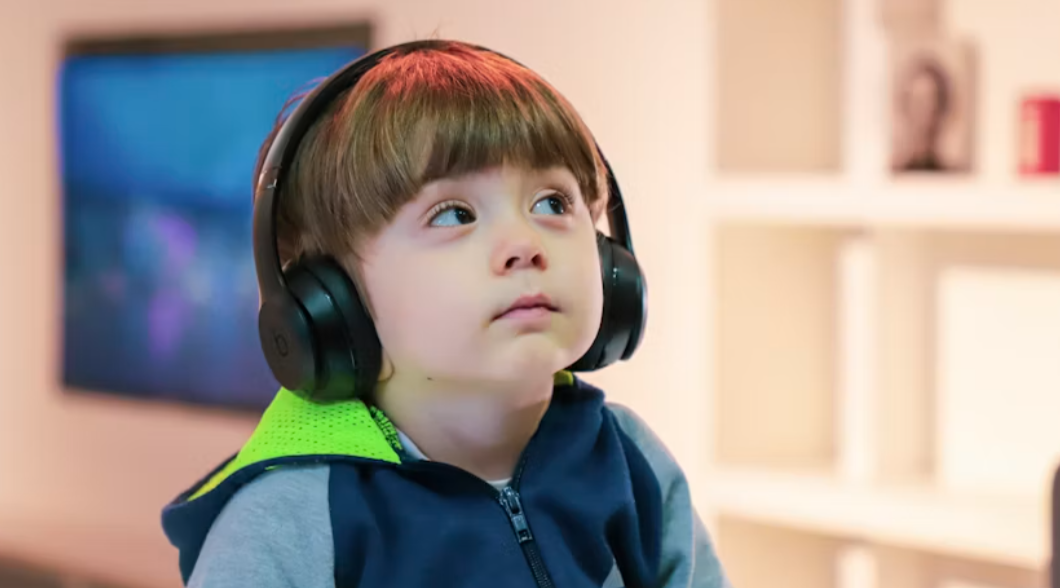
Researchers have found that specially designed video games, often called serious games, can help children with autism build real world skills. These games are built for purposes beyond entertainment, such as improving social interaction, self care, and motor coordination. Recent studies offer preliminary evidence that this approach may be effective.
One study examined a virtual reality motion based game for children with autism. The game required players to move their bodies and interact with virtual characters in social scenarios. Over a 16 week period, children played the game for several hours each week. At the end of the study, researchers observed improvements in social willingness, self care routines, and emotional regulation. The children showed increased motivation to engage with others outside the game environment.
Another example is a game called MazeOut. This adaptive game guides a player through a maze while collecting coins. The game adjusts its difficulty in real time based on the player’s performance. Researchers compared autistic participants with typically developing peers. When the adaptive mode was introduced first, both groups performed better, but the improvement was larger for the autism group. Participants with autism who started with the adaptive version achieved higher scores than those who began with a fixed difficulty version. The autistic participants also rated the game’s usability favorably, slightly higher than the typically developing group. Younger users found the game particularly easy to use.
Serious games offer a consistent and low pressure environment. Rules are clear, feedback is immediate, and the player remains in control. This design may help children practice skills that feel challenging in unpredictable real world settings. For example, a child who avoids eye contact in person might comfortably interact with a virtual character. A teenager who resists handwriting practice might engage with a fine motor task presented as a game.
Researchers continue to develop serious games with additional features such as voice recognition, eye tracking, and biometric feedback. The goal is to support, not replace, existing therapies and parental involvement. For families exploring autism interventions, serious games represent a practical and accessible option that many children are willing to use. Early results suggest that when learning is presented as play, skill development can occur naturally over time.